
Gender Equity
Women with social, economic and political agency.
SeSTA works so that women are recognised as farmers, organised in their own institutions, aware of their rights and leading decisions at home and in the village.
The work, step by step
The Process behind every progress
- 1
Recognise
Women as Mahila Kisan
Every woman is recognised as a farmer in her own right, not a helper on her husband’s land.
- 2
Collectivise
Women’s institutions
Women organise into SHGs, VOs, CLFs and Producer Groups that they own and lead.
- 3
Aware
Rights and GBV prevention
Women learn about rights, entitlements and preventing gender-based violence through gender committees.
- 4
Lead
Decide at home and in the village
Women take decisions on income, assets, children’s education and village plans.
Confident women leading households, institutions and governance
In numbers
What the numbers show
Women farmers linked to livelihood support
Of the women farmers SeSTA has worked with, those linked to livelihood support as Mahila Kisans.
9.3%23,342 of 2,50,000
- 23,342 Mahila Kisans linked to livelihood support
- 2,50,000 women farmers SeSTA has worked with
At a glance
Key numbers
- women farmers SeSTA has worked with
- 2,50,000
- Mahila Kisans linked to livelihood support
- 23,342
- women farmers earning ₹1 lakh or more
- 50,000+
- women agri and allied entrepreneurs
- 126
- Village Organisations with trained women leaders
- 294
- women cadres earning from community services
- 818
- women at the new handloom centre, Boko
- 12
- women given anaemia check-ups in Boko block
- 500+
From the field
Stories of change
From ₹5,000 to ₹24,000 on one batch
Began poultry in 2023 with 50 birds. Her third batch lays about 60 eggs a day, her incubators hold 600 eggs, and she spoke on All India Radio about home-made feed. She now trains other women.
Amiya GogoiMoran Gaon, East Jorhat, Assam
Nearly ₹80,000 a year
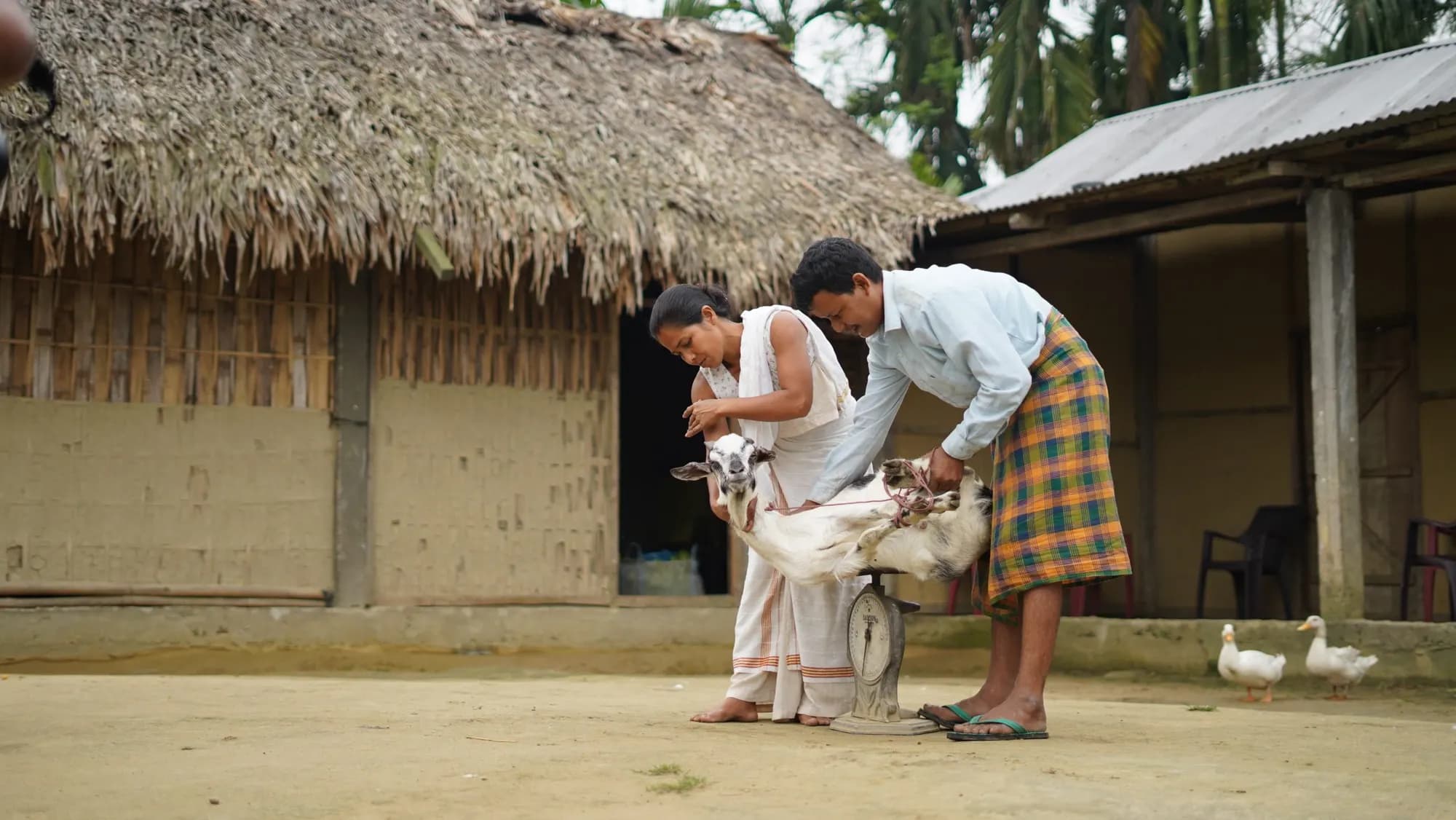
After building a steady goat business, she now encourages other women to take up goat rearing as a dignified income.
Reboti NathDangtol, Bongaigaon, Assam
Together
Who makes it happen
- 01Women’s institutions
- 02Gender committees
- 03Adhikar Sakhis
- 04Gram Panchayats and VCDCs
- 05Ecosystem partners